March 27, 2026
How Much Does Home Staging Cost in 2026?
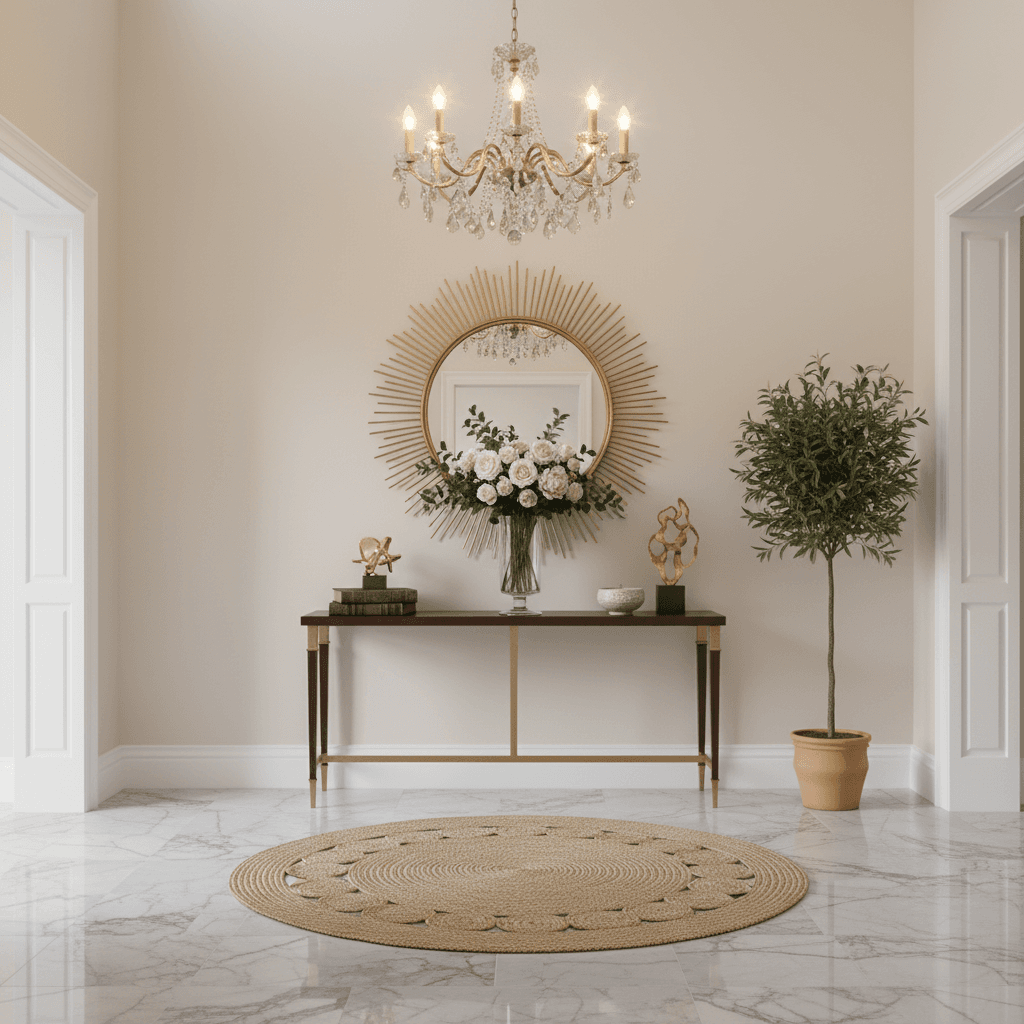
Staged homes sell faster and for more money — that much is well-established. According to the National Association of Realtors, 81% of buyers' agents say staging makes it easier for clients to visualize a property as their future home. But staging isn't free, and the costs can vary wildly depending on the approach you choose.
This guide breaks down every major staging option available in 2026, from full-service traditional staging to AI-powered virtual staging, so you can decide what makes sense for each listing.
Traditional Home Staging Costs
Traditional staging involves hiring a professional staging company to bring in physical furniture, artwork, rugs, and accessories. Here's what you can expect to pay:
- Consultation only: $150–$600. A stager walks through the property and provides recommendations. You handle the execution yourself.
- Partial staging: $1,500–$3,000. The stager furnishes key rooms — usually the living room, primary bedroom, and kitchen — while leaving secondary rooms empty.
- Full staging: $2,000–$5,000+ for the first month. Every visible room is furnished and styled. Larger or luxury homes can run $8,000–$15,000+.
- Monthly rental extension: $500–$2,000/month. If the home doesn't sell quickly, you keep paying for furniture rental.
What Affects Traditional Staging Cost?
Several factors push the price up or down:
- Property size. A 1,200 sq ft condo costs far less to stage than a 4,000 sq ft single-family home.
- Location. Staging in major metros like New York, San Francisco, or Los Angeles costs 30–50% more than in mid-size markets.
- Furniture quality. Budget staging uses basic pieces. Luxury staging for high-end listings uses designer furniture, which costs significantly more.
- Duration. Most contracts cover 30–60 days. Extended listings mean extended rental fees.
- Condition of the home. If the property needs painting, deep cleaning, or minor repairs before staging, those are additional costs.
Virtual Staging Costs
Virtual staging digitally adds furniture and decor to photos of empty rooms. No physical furniture, no trucks, no setup crews. There are two main approaches:
Manual Virtual Staging ($20–$100 per photo)
Companies like BoxBrownie or VisualStager have graphic designers manually place 3D-rendered furniture into your photos. Turnaround is typically 24–48 hours. Quality is generally high, but you're paying per image and waiting for each batch.
AI Virtual Staging ($0.09–$1 per photo)
AI-powered tools generate staged versions of your photos in seconds rather than days. The cost is dramatically lower because there's no human designer in the loop for each image.
ListingScene, for example, offers AI virtual staging starting at $8.99/month with a per-image cost as low as $0.09. You upload a photo of an empty room, choose a style, and get a staged result in about 10 seconds. For agents who stage multiple listings per month, this changes the economics entirely.
Cost Comparison at a Glance
| Method | Cost per listing | Turnaround |
|---|---|---|
| Traditional staging | $2,000–$5,000+ | 3–7 days setup |
| Manual virtual staging | $100–$500 (5–10 photos) | 24–48 hours |
| AI virtual staging | $0.50–$10 (5–10 photos) | Under 1 minute |
When Traditional Staging Still Makes Sense
Despite the cost advantage of virtual staging, traditional staging isn't obsolete. It still makes sense in specific situations:
- Luxury properties ($1M+). High-end buyers often expect to walk into a beautifully furnished home. The in-person experience matters.
- Open houses with heavy foot traffic. When buyers are physically touring the home, virtual staging obviously doesn't help with the in-person experience.
- Properties that need to feel "move-in ready." Some markets expect a furnished look during showings, not just in photos.
When Virtual Staging Is the Better Choice
For the vast majority of listings, virtual staging delivers better ROI:
- Vacant properties that need to look furnished in online photos — which is where 97% of buyers start their search.
- Multiple listings per month. If you're staging 3–5 properties at a time, traditional staging costs become prohibitive.
- Tight timelines. When a listing goes live tomorrow, you can't wait a week for furniture delivery.
- Testing different styles. With AI staging, you can generate modern, farmhouse, and minimalist versions of the same room in minutes.
Maximizing Your Staging Budget
The smartest approach in 2026 is to combine strategies. Use AI virtual staging through a tool like ListingScene for your listing photos — it covers the 97% of buyers who find homes online. Then reserve traditional staging for your highest-value listings where the in-person experience justifies the investment.
While you're at it, don't forget the other photos in your listing. AI photo editing can brighten interiors, replace overcast skies with blue ones, and enhance curb appeal — all for pennies per image.
The Bottom Line
Traditional home staging costs between $2,000 and $5,000+ per listing. AI virtual staging costs a few dollars. Both have their place, but for the majority of agents and listings, AI staging delivers the same buyer engagement at a fraction of the cost and time.
If you haven't tried AI virtual staging yet, give ListingScene a try — you get free credits to test it on your next listing.