March 28, 2026
Digital Staging vs Physical Staging: Which Sells Homes Faster?
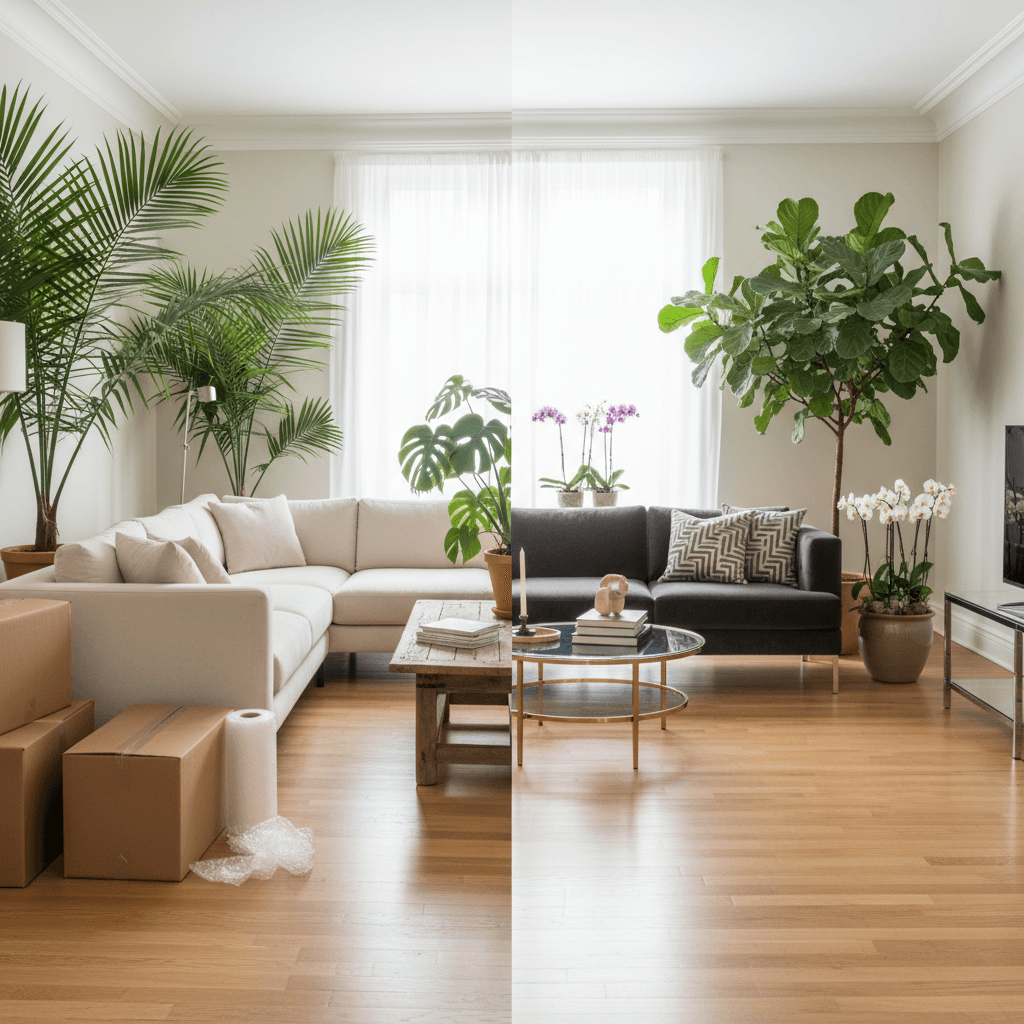
Digital staging (also called virtual staging) uses software or AI to add furniture to photos of empty rooms. Physical staging (also called traditional staging) brings real furniture into the property. Both help homes sell faster and for more money — but the cost, speed, and best use cases are dramatically different.
This guide compares the two approaches with real data so you can decide which makes sense for each listing.
Head-to-Head Comparison
| Factor | Physical staging | Digital staging |
|---|---|---|
| Cost per home | $2,000–$5,000+ | $1–$30 per photo |
| Setup time | 1–3 days | 10 seconds |
| Monthly rental | $500–$1,000/month | None |
| Customization | Limited by inventory | Unlimited styles |
| In-person impact | Yes (open houses, showings) | Photos only |
| Turnaround | 1–5 days to schedule and set up | Instant with AI tools |
| Scalability | One property at a time | Unlimited properties simultaneously |
| ROI range | 102%–909% | 500%–3,650% |
The ROI data comes from a 2025 analysis comparing staged versus unstaged sale outcomes across multiple markets. Digital staging's higher ROI is driven almost entirely by its dramatically lower cost — the sale price impact of both approaches is similar, but you spend $5 instead of $5,000 to achieve it.
When Physical Staging Wins
Physical staging still has clear advantages in specific scenarios:
Luxury listings ($1M+)
High-end buyers expect a curated in-person experience. Walking into a beautifully furnished luxury home creates an emotional response that photos alone cannot replicate. The NAR 2025 report found that 57% of buyers' agents said physical staging was "much more" or "more important" to their clients than virtual staging. For properties where the commission justifies the expense, physical staging delivers.
Competitive markets with heavy open-house traffic
When multiple buyers are touring the same weekend, a staged home creates urgency. Buyers can see themselves living there in a way that photo-only staging cannot achieve. The tactile experience — sitting on the couch, running a hand along the dining table — influences offers.
Model homes and new construction
Builders staging model units in a new development often keep them furnished for months. The cost amortizes across dozens of units sold, and the in-person experience drives buyer decisions in communities where all units are identical floor plans.
When Digital Staging Wins
For the majority of transactions, digital staging is the superior choice:
Volume listings
Agents listing 3–5+ properties per month cannot afford $2,000–$5,000 in staging costs per property. At $0.09 per image with AI virtual staging, you can stage every listing for less than the cost of a single physical staging consultation.
Vacant investment properties
Investor-owned rentals and flips are often vacant and need to be listed quickly. The owner typically isn't willing to invest thousands in staging. Digital staging solves the photography problem instantly and cheaply — no coordination with the owner, no furniture logistics.
Pre-construction and off-plan sales
You can't physically stage a unit that doesn't exist yet. Digital staging lets you show buyers what finished units will look like, from multiple style perspectives, before construction is complete.
Out-of-state or remote sellers
When the seller is across the country and the home is vacant, coordinating physical staging is a logistical nightmare. Digital staging requires only photos — which the listing photographer provides anyway.
Tight budgets and tight timelines
When a listing goes live tomorrow and the staging budget is zero, digital staging is the only option. And it's a good one — the data shows virtually staged listings generate 40% more online views and 74% more serious buyer interest than unstaged ones.
The Hybrid Approach
The smartest agents don't choose one or the other — they combine both strategically:
- Physically stage 1–2 key rooms (living room and primary bedroom) for the in-person showing experience.
- Digitally stage the remaining rooms (dining room, home office, secondary bedrooms, outdoor spaces) for the listing photos.
This approach gives you the emotional impact of real furniture in the rooms buyers spend the most time in, while keeping costs under control for the full photo set. Instead of $5,000+ to stage every room, you might spend $1,500 on two key rooms and $5 on digital staging for the rest.
ROI Data: What the Research Says
The NAR 2025 Profile of Home Staging provides the most recent industry data:
- 29% of agents reported staging led to a 1–10% increase in sale price. On the median US home ($400,000), that's $4,000–$40,000 in additional value.
- 49% of sellers' agents observed that staging reduced days on market, with 19% noting a significant reduction.
- Digitally staged listings spend 73% less time on the market on average — reducing the typical listing period from 90 days to approximately 24 days.
- Digital staging delivers ROI of 500%–3,650% for properties under $750,000, compared to 102%–909% for physical staging at the same price points.
Both approaches work. The difference is economic: digital staging achieves comparable sale outcomes at 1/100th the cost.
Industry Trends: How AI Is Changing Staging
The staging industry is shifting rapidly. AI-powered tools have made digital staging accessible to every agent, not just those with editing budgets. Key trends in 2026:
- Instant results. What once took a designer 1–2 hours per image now takes 10 seconds with AI. This has removed turnaround time as a bottleneck.
- Style exploration. Agents can generate the same room in 5+ styles in under a minute, then use the version that best fits the target buyer demographic.
- Bundled services. Platforms like ListingScene combine virtual staging with photo enhancement, sky replacement, and day-to-dusk conversion in a single tool. One upload, multiple outputs.
- Declining physical staging margins. As digital staging captures more of the market, physical staging companies are repositioning toward luxury-only services. The median cost of physical staging has risen from $400 (2019) to $1,500+ (2025) as lower-end demand has evaporated.
The Verdict
For most real estate professionals, digital staging should be the default for 80% or more of listings. It's faster, dramatically cheaper, and produces the same buyer engagement in online listings — which is where virtually all purchase journeys begin.
Reserve physical staging for luxury listings over $1M, high-traffic open houses, and model homes where the in-person experience justifies the investment. For everything else, the math is clear: digital staging delivers superior ROI.
Ready to try it? Sign up for ListingScene and stage your next vacant listing in seconds. Free credits included so you can see the results before committing to a plan. Learn more about staging vacant homes specifically or check our complete staging cost breakdown.